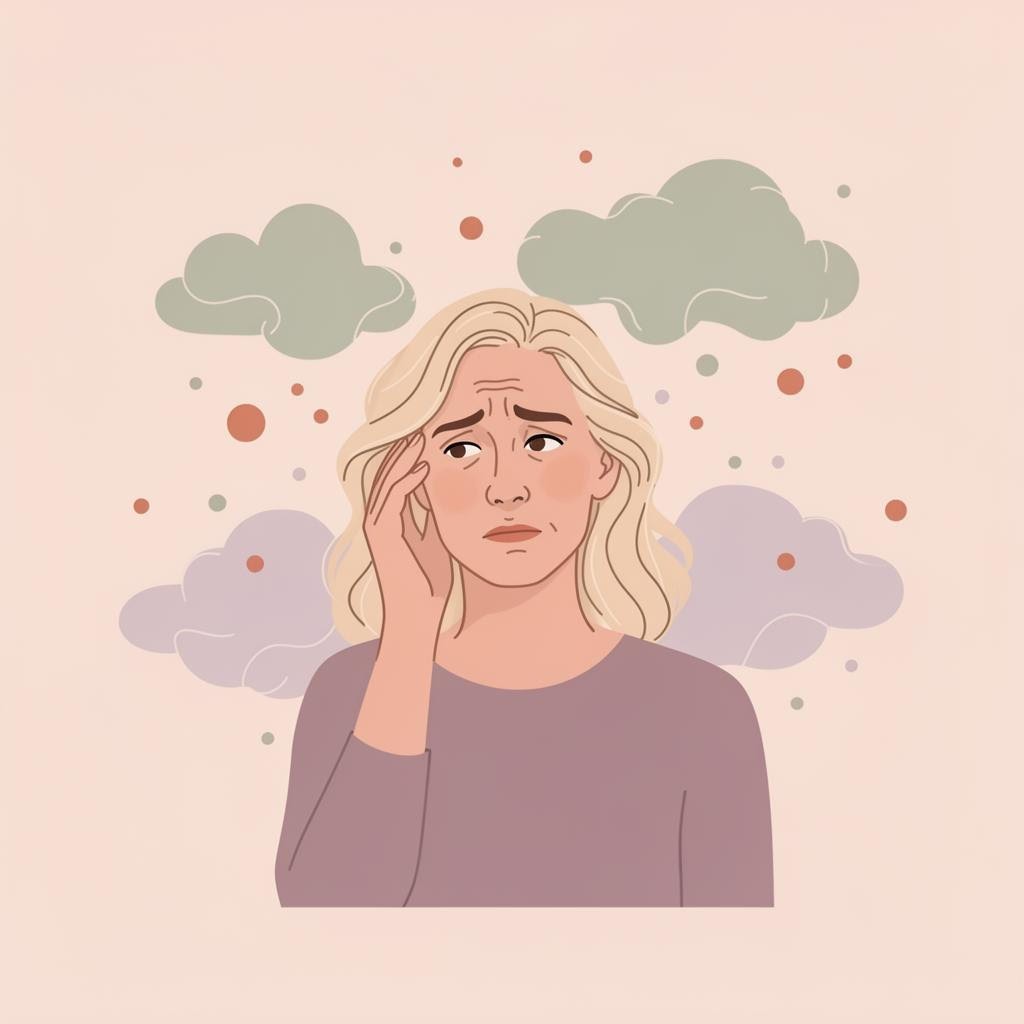
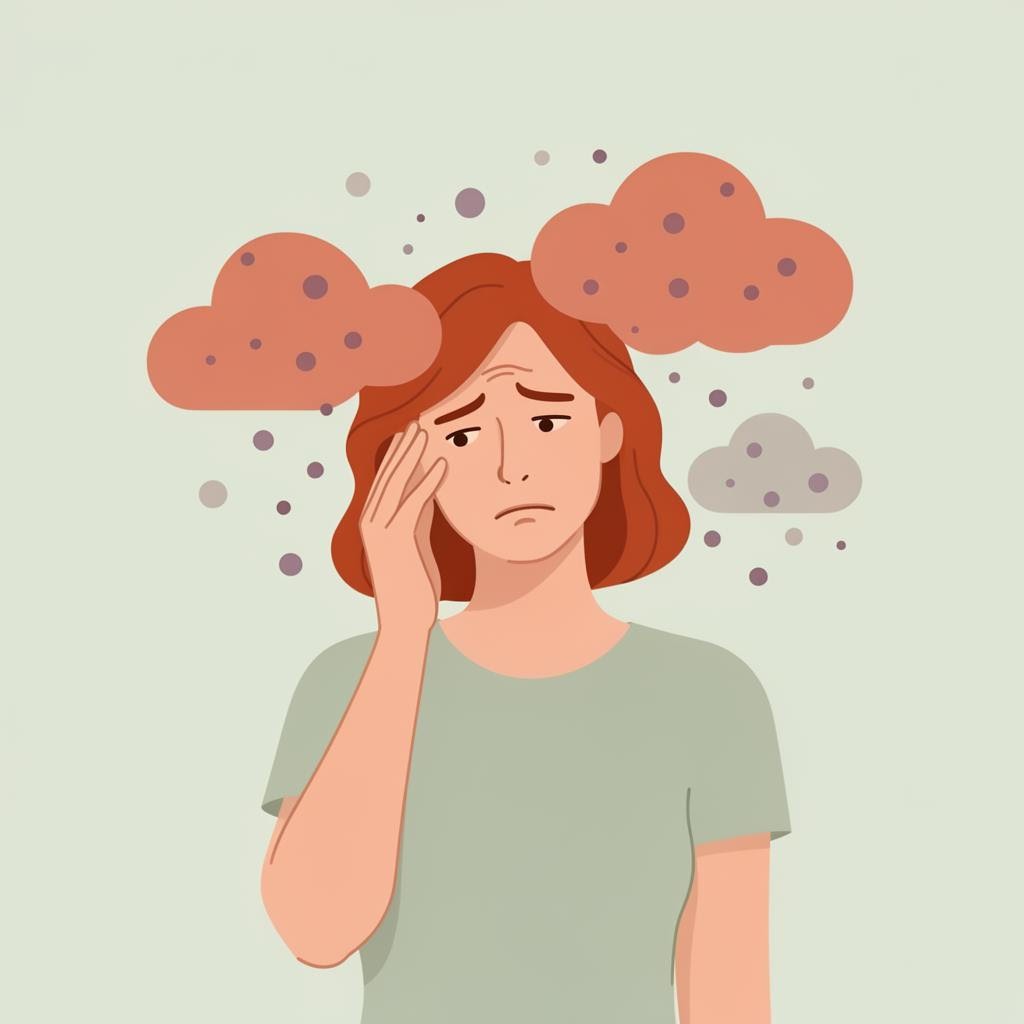
For many women entering their 40s and 50s, the most unsettling symptom of the menopausal transition isn't a hot flash, but a profound sense of identity disruption often described as "not feeling like myself anymore."
This experience is not a sign of personal weakness or an inevitable decline into old age, but a documented neurological and psychological metamorphosis that fundamentally reshapes a woman’s sense of self. Understanding that this phase is a "neurological transition state", comparable to puberty but in reverse, is the first step toward navigating these changes with confidence.
The Neurobiological Shift
The feeling of being a "stranger in your own mind" has a clear biological foundation in the way shifting hormones interact with the brain.
During perimenopause, which can last between four and ten years, the brain is exposed to erratic and unpredictable fluctuations in estrogen and progesterone. Estrogen receptors are densely located in brain regions responsible for memory formation (hippocampus), emotional regulation (amygdala), and complex thinking (prefrontal cortex).
As estrogen levels oscillate wildly, they disrupt the production of key neurotransmitters like serotonin, which regulates mood, and dopamine, which drives motivation.
Furthermore, the decline of progesterone impairs the brain’s "braking system" (GABA), often leaving women feeling more reactive to stress, more easily startled, and possessing a "shorter fuse" than they had in their younger years.
Cognitive Fog and the "Sandwich Generation"
The subjective report of "brain fog"(characterized by word-finding difficulties, memory slips, and a loss of concentration) is a validated part of this transition.
Research suggests that perimenopause may trigger a temporary "hypometabolic state," where the brain becomes less efficient at using glucose for energy, leading to the mental exhaustion and "cotton wool thinking" many women report.
This biological vulnerability often coincides with a period of intense psychosocial pressure.
Many women find themselves in the "sandwich generation," simultaneously caring for aging parents and growing children while reaching the peak of their professional careers. Studies show that loneliness and social isolation act as stress multipliers during this time, independently increasing the risk of subjective cognitive decline. When these external stressors collide with internal hormonal shifts, it creates a "perfect storm" that can lead to an increased risk of depression and anxiety.
Reclaiming Your Sense of Self
While the transition can feel like a loss of identity, clinical evidence highlights that most of these cognitive and emotional shifts are temporary adaptations.
Once the body settles into the stable, low-estrogen state of postmenopause, many women report a return to their cognitive baseline.
Management of this "identity crisis" requires a holistic approach.
Cognitive Behavioral Therapy (CBT) has been shown to be highly effective in reducing anxiety and improving quality of life by helping women reframe their symptoms and develop better coping strategies. For some, Menopausal Hormone Therapy (MHT) can stabilize the hormonal "rollercoaster," particularly when mood issues are tied to severe hot flashes and sleep disturbances. Simple lifestyle adjustments, such as 150 minutes of weekly moderate exercise and prioritizing sleep hygiene, also serve as critical neuroprotective buffers.
A New Perspective on Maturity
The menopausal transition is a reorganization toward a stable and resilient postmenopausal self. By recognizing that the "not myself" feeling is a valid biological signal of a brain in transition, women can move through this period with kindness and grace. This life stage is not an end, but an opportunity to build new boundaries and embrace a version of self that is "older and wiser."
Conclusion for Health Awareness and Daily Life
Based on the synthesis of clinical research, women can use these insights for their proactive health management:
Normalize the Experience: Understand that feeling "not like yourself," including increased irritability and brain fog, is a biological response to neurochemical changes and is typically a transient phase, not permanent damage.
Prioritize Social Connection: Maintain social "muscles" by staying connected with friends and family. Social interaction acts as a vital workout for your cognitive health and buffers against mental decline during midlife.
Monitor Symptoms Collectively: Use tools like the Meno-D Rating Scale to track physical and emotional changes. Recognizing how hot flashes and poor sleep drive your mood can help you and your doctor tailor a better treatment plan.
Incorporate "Brain Buffers": Aim for at least 150 minutes of moderate exercise weekly and practice stress-reduction techniques like mindfulness or CBT. These are scientifically proven to improve mood and cognitive resilience.
Seek Specialized Care: If emotional changes last more than two weeks or severely impact your ability to function, consult a healthcare provider. Do not dismiss severe symptoms as "just menopause"; effective treatments like MHT, antidepressants, or therapy are available and effective.
The Norwegian version of the article is available here
Sources:
Coslov N, Richardson MK, Woods NF. “Not feeling like myself” in perimenopause - what does it mean? Observations from the Women Living Better survey. Menopause. 2024;31(5):390-398.
Maki PM, Jaff NG. Brain fog in menopause: a health-care professional's guide for decision-making and counseling on cognition. Climacteric. 2022;25(5):445-456.
Maki PM, Kornstein SG, Joffe H, et al. Guidelines for the evaluation and treatment of perimenopausal depression: summary and recommendations. Menopause. 2018;25(10):1069-1085.
Greendale GA, Karlamangla AS, Maki PM. The menopause transition and cognition. JAMA. 2020;323(15):1495-1496. doi:10.1001/jama.2020.1758
Avis NE, Colvin A, Bromberger JT, et al. Change in health-related quality of life over the menopausal transition in a multiethnic cohort of middle-aged women: Study of Women's Health Across the Nation (SWAN). Menopause. 2009;16(5):860-869.
Weber MT, Rubin LH, Maki PM. Cognition in perimenopause: the effect of transition stage. Menopause. 2013;20(5):511-517. doi:10.1097/gme.0b013e31827655e5.
Brinton RD, Yao J, Yin F, Mack WJ, Cadenas E. Perimenopause as a neurological transition state. Nat Rev Endocrinol. 2015;11(7):393-405.
Metcalf CA, Duffy KA, Page CE, Novick AM. Cognitive problems in perimenopause: a review of recent evidence. Curr Psychiatry Rep. 2023;25(10):501-511.
Rukure H, Husted M. Cognitive behavioural therapy for menopausal symptoms: a systematic review of efficacy in improving quality of life. BMC Womens Health. 2025;26:58.
Bassi R, Bajaj MK, Goel B. Effectiveness of cognitive behavioral therapy in managing physical and psychological distress in women during the perimenopausal phase. J Midlife Health. 2025;16(4):386-394.
Greendale GA, Huang MH, Wight RG, et al. Effects of the menopause transition and hormone use on cognitive performance in midlife women. Neurology. 2009;72(21):1850-1857.
Study of Women's Health Across the Nation (SWAN). SWAN fact sheet: memory and cognition during and after the menopause transition. swanstudy.org. Accessed March 12, 2026.
North American Menopause Society. The 2022 hormone therapy position statement of The North American Menopause Society. Menopause. 2022;29(7):767-794.
Bromberger JT, Epperson CN. Depression during and after the perimenopause: impact of hormones, genetics, and environmental determinants of disease. Obstet Gynecol Clin North Am. 2018;45(4):663-678.
Kulkarni J. Perimenopausal depression - an under-recognised entity. Aust Prescr. 2018;41(6):183-185. doi:10.18773/austprescr.2018.060