For decades, the gut was viewed primarily as a digestive engine. However, emerging science has transformed our understanding, revealing that the trillions of microbes living within us (called the gut microbiota) function as a fully-fledged endocrine organ. For women, this "hidden player" is particularly relevant, as it interacts directly with our reproductive system from puberty through menopause. Understanding this relationship, often called the “microgenderome,” is becoming central to how we approach conditions like PCOS, endometriosis, and general hormonal well-being.
The Estrobolome and Beyond
One of the most significant insights in recent women's health research is the discovery of the estrobolome. This is a specialized collection of bacterial genes in the gut capable of metabolizing estrogens. These microbes produce an enzyme (called β-glucuronidase), which activates estrogens so they can circulate in the bloodstream. When this microbial balance is disrupted (a state called dysbiosis), it can lead to a decrease in active estrogen, potentially contributing to obesity and metabolic syndrome, or an excess, which is linked to conditions like endometriosis.
Insights from Clinical Research: The Case of PCOS
The impact of the gut is perhaps most visible in Polycystic Ovary Syndrome (PCOS), the leading cause of endocrine-related infertility. Research shows that women with PCOS often exhibit a distinct lack of microbial diversity. This imbalance is not just a side effect; it may drive the condition's primary symptoms. Specifically, certain "pro-inflammatory" bacteria can trigger a "leaky gut," allowing toxins (like lipopolysaccharides (LPS)) into the blood. This process fuels systemic inflammation and insulin resistance, which in turn causes the ovaries to overproduce androgens (male-type hormones), leading to irregular cycles and acne.
A Continuum of Microbes
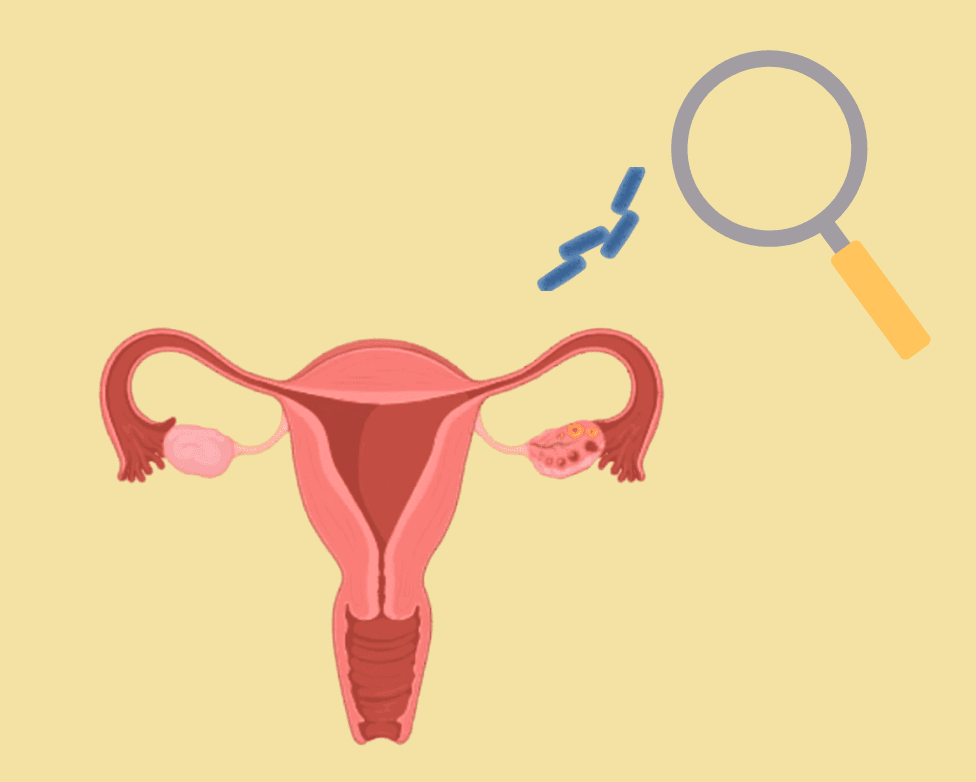
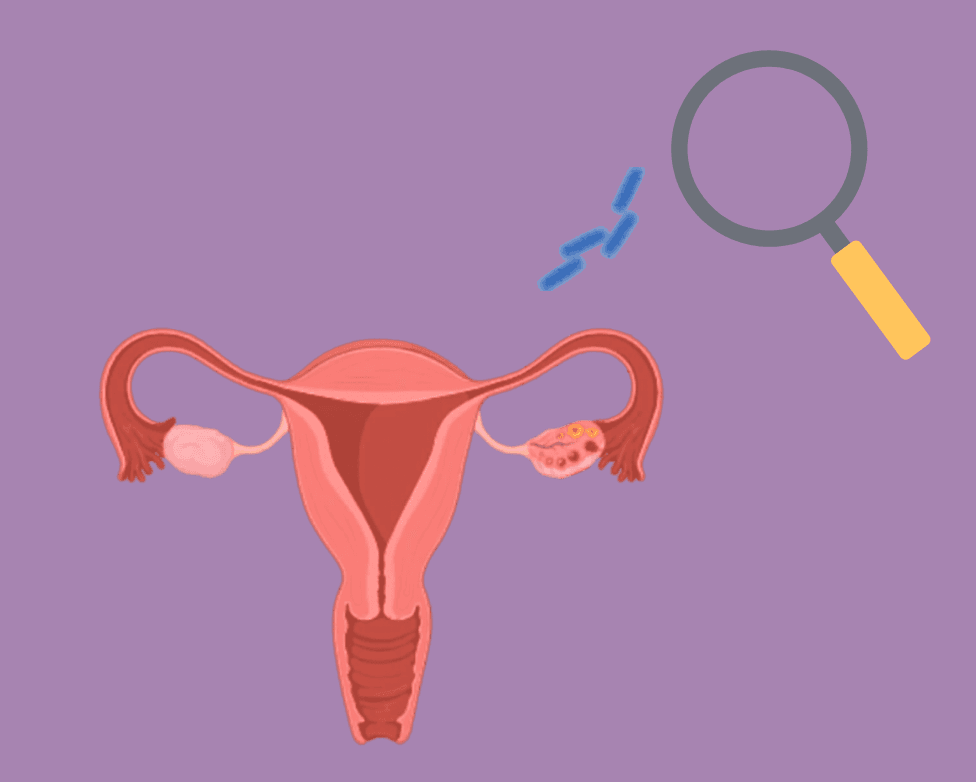
We once believed the upper reproductive tract (the uterus and fallopian tubes) was sterile. However, recent studies using advanced sequencing have identified a microbiota continuum that stretches from the vagina through the cervix and into the peritoneal fluid. These microbial communities are not static; they fluctuate with the menstrual cycle. For instance, the "proliferative phase" of the cycle is associated with signals of bacterial growth, while the "secretory phase" shows changes in metabolic pathways. This suggests that our internal environment is a dynamic ecosystem that responds to the same hormonal signals our bodies do.
Empowering Hormonal Health
While much of this research is still emerging, the practical implications are encouraging. Diet remains the most potent tool for modulating these microbes.
Fiber Intake: High-fiber diets support the production of short-chain fatty acids, which protect the gut barrier and improve insulin sensitivity.
Protein Sources: Plant-based proteins have been shown to boost beneficial bacteria like Bifidobacterium and Lactobacillus, which are often reduced in hormonal disorders.
Probiotics and Prebiotics: Clinical trials suggest that targeted supplementation can help lower testosterone levels and improve metabolic markers in women with PCOS.
What can you do
The takeaway for women across all life stages is that hormonal health is not solely dictated by our glands. By fostering a diverse and healthy gut environment, we can support our body’s natural ability to regulate estrogen and androgens. While we await further precision microbiome therapies, focusing on gut-friendly habits offers a credible, evidence-based way to enhance long-term health.
To support your hormonal health through the gut, prioritize diverse fiber intake from whole grains and vegetables, as fiber is the primary fuel for bacteria that stabilize estrogen levels and insulin response. Be mindful that the gut and reproductive tract are a linked system; persistent issues like irregular cycles or metabolic shifts may warrant a conversation with your doctor about underlying inflammation or microbial health. Awareness of this connection can help you make gut-friendly lifestyle choices, such as plant-based proteins and probiotic-rich foods, as vital components that support women’s health.
Norwegian version of the article is available here.
Sources:
1. Chen, C., Song, X., Wei, W. et al. The microbiota continuum along the female reproductive tract and its relation to uterine-related diseases. Nat Commun 8, 875 (2017). https://doi.org/10.1038/s41467-017-00901-0
2. Senthilkumar, H., Arumugam, M. Gut microbiota: a hidden player in polycystic ovary syndrome. J Transl Med 23, 443 (2025). https://doi.org/10.1186/s12967-025-06315-7
3. Yong Sung Kim, et al: Sex Differences in Gut Microbiota. World J Mens Health 2020 Jan 38(1): 48-60.
4. Qi X, Yun C, Pang Y, Qiao J. The impact of the gut microbiota on the reproductive and metabolic endocrine system. Gut Microbes. 2021 Jan-Dec;13(1):1-21.