
The First Vital Sign: Your History as Data
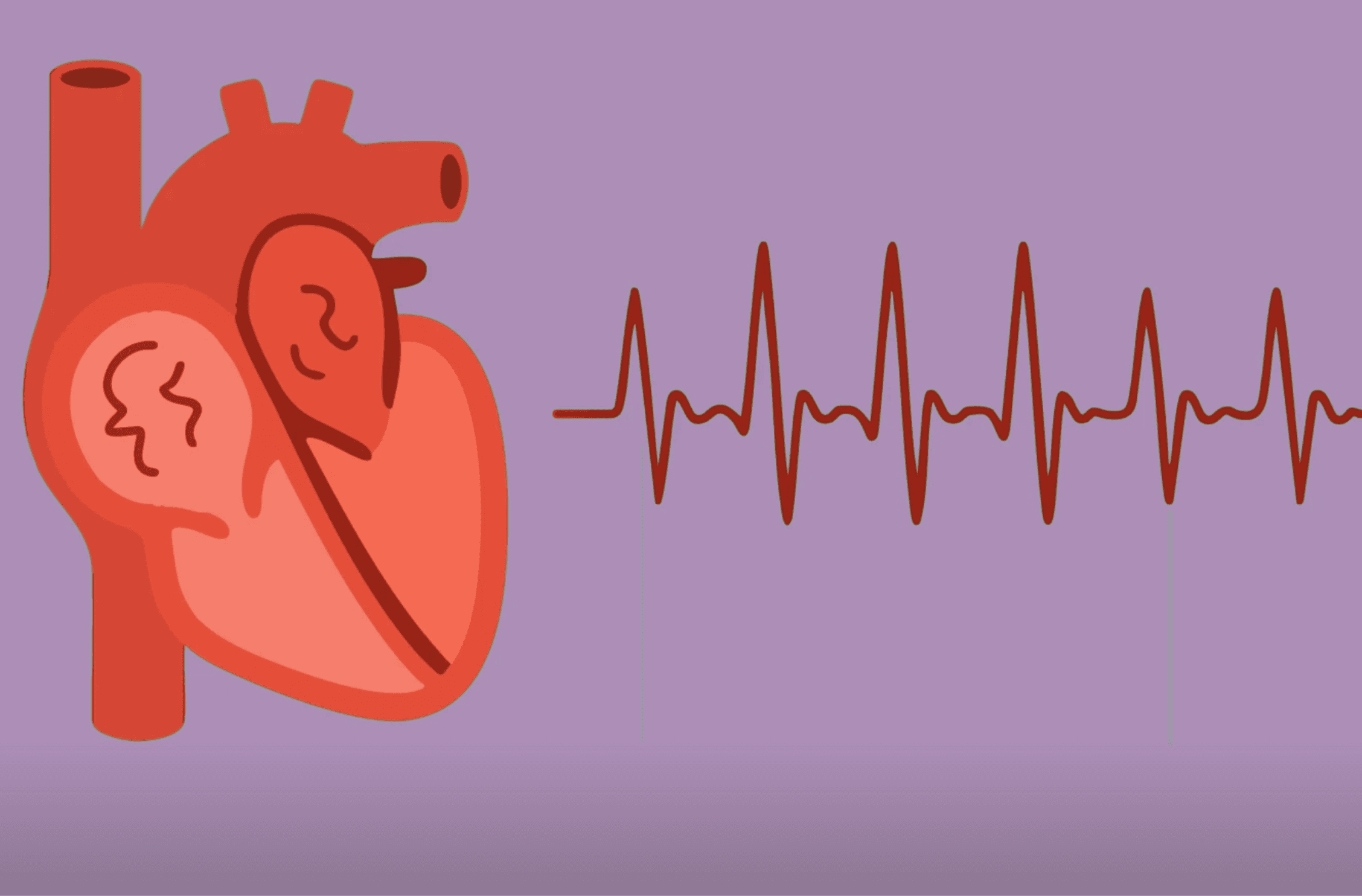
For many women, the timing of menopause is often viewed through the lens of reproductive transitions or symptom management. However, emerging scientific evidence suggests that when menopause occurs naturally before the age of 40 (defined as premature menopause) it serves as a significant biological marker for long-term cardiovascular health. A recent large-scale study published in JAMA Cardiology highlights why understanding this transition is vital for women as they navigate different life stages.
The 40% Increase: Mapping Long-term Risk
The research, which analyzed data from over 10,000 women across several decades, found that premature natural menopause is associated with a 40% higher lifetime risk of developing coronary heart disease (CHD). This increased risk was consistent across both Black and White women.
The study also revealed a notable racial disparity: premature natural menopause occurred in 15.5% of Black women compared to 4.8% of White women. While the exact reasons for this difference are still being studied, and potentially involving a complex mix of genetics, environmental factors, and "weathering", it underscores the importance of personalized health monitoring.
Beyond the Window: A Lifetime of Protection
Previous medical data had already established that early menopause could increase heart disease risk in the short term. This new research is significant because it confirms that the risk persists throughout a woman's entire life. Scientists now view the perimenopausal period as a "unique window of opportunity". It is a time when the cardiovascular system may be more sensitive, allowing healthcare providers to identify and modify risk factors before they progress into serious conditions.
Knowledge as Agency: Your Roadmap to Prevention
This research does not suggest that early menopause makes heart disease inevitable. Instead, it empowers women and clinicians with a clearer "roadmap" for prevention.
Knowledge as Prevention: Knowing that premature menopause is a "risk-enhancing factor" allows for earlier interventions, such as closer monitoring of blood pressure, cholesterol, and blood sugar.
A New Vital Sign: Your reproductive history (specifically, the age at which your periods naturally stopped) should be considered as important as your family history or smoking status during a medical check-up.
Beyond Smoking & Stats: The Menopause Marker
While menopause marks the end of one biological chapter, it provides essential data for the next. The most effective way to use this information is to ensure your healthcare provider is aware of your full reproductive history. If you experienced menopause before 40, use that knowledge as a prompt to stay proactive with routine heart health screenings. Understanding your personal risk profile is the first step toward a longer, healthier life free of cardiovascular complications.
The Norwegian version of this article is available here
Learn more about your menopause and how it affects cardiovascular health and "brain fog".
Source:
1. Anderer S. Premature Menopause Linked with Higher Heart Attack Risk. JAMA. 2026 Apr 3. doi: 10.1001/jama.2026.1031. Epub ahead of print. PMID: 41931281.