In recent years, the conversation around women’s fitness has undergone a profound change. Shifting from a narrow focus on aesthetics, modern science is revealing a more complex picture of how women can optimize their health across every decade. From the peak performance years of young adulthood to the critical transition into later life, understanding the synergy between energy intake, resistance training, and hormonal cycles is becoming the new blueprint for longevity.
Understanding the Energy Balance: Recharge After Training Matters Even More for Women - Protein Tops the List
Central to this new understanding is the concept of Relative Energy Deficiency in Sport (RED-S). While once thought to only affect elite athletes, research involving 1,000 female athletes suggests that low energy availability is a widespread concern (low energy availability: where the energy from food is insufficient to cover both exercise and basic physiological functions).
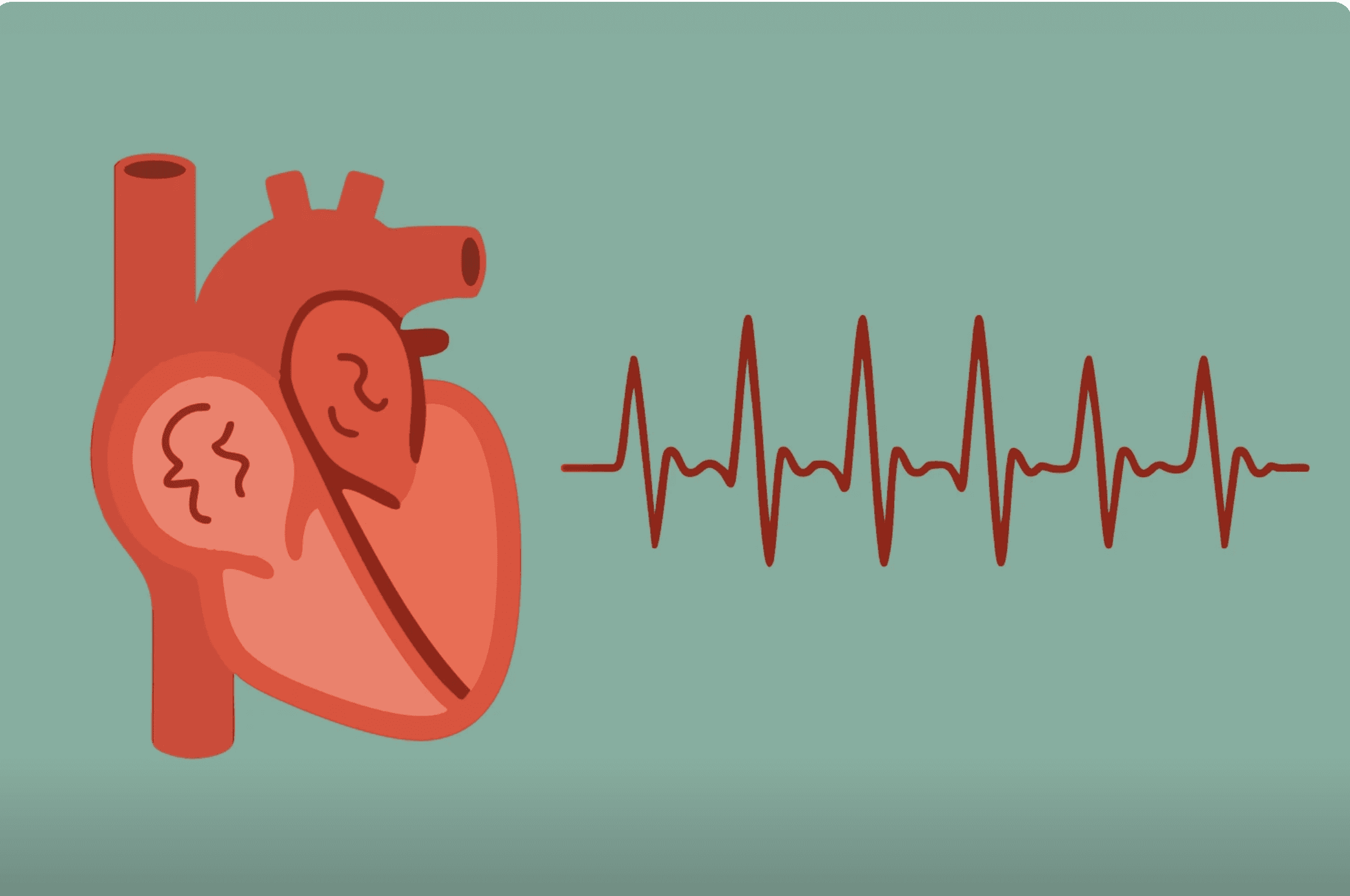
This deficiency is the underlying cause of what was previously known as the "Female Athlete Triad" (disordered eating, menstrual dysfunction, and low bone density), but we now know its reach is much further. Insufficient fueling doesn’t just impact performance; it is strongly associated with metabolic issues, cardiovascular impairment, gastrointestinal dysfunction, and psychological symptoms like irritability or decreased concentration. Crucially, research shows that an athlete can have a "normal" BMI and still suffer from these systemic health consequences if their energy availability is too low. Research points out that women need protein after exercise more than men, because the sex hormone progesterone exacerbates muscle breakdown.
The Starring Role of Resistance Training
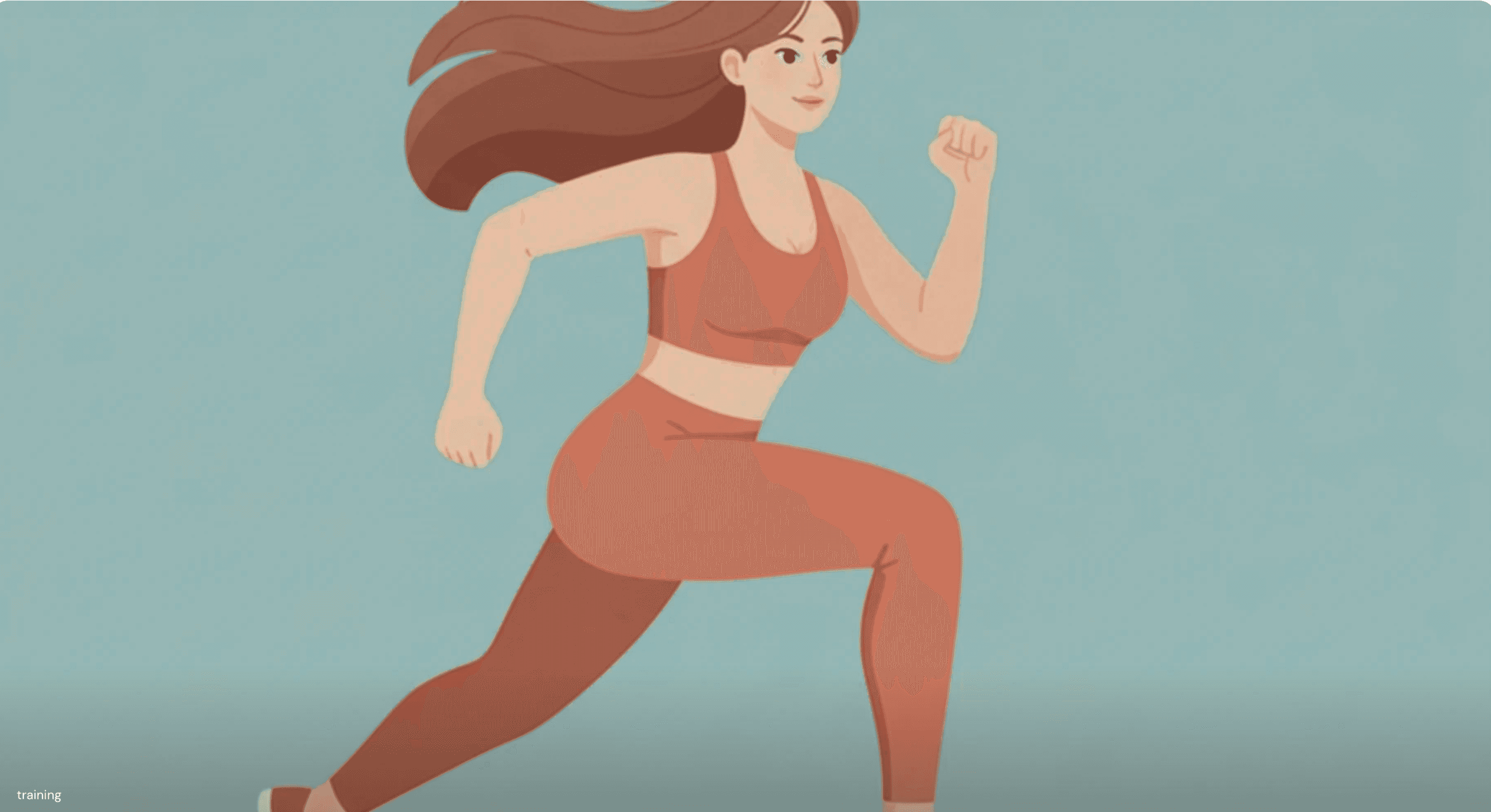
As we move into midlife and beyond, the focus shifts toward maintaining everyday health and preventing chronic disease. While aerobic exercise like walking or running is often the default recommendation, resistance exercise training is emerging as an equally, if not more, potent tool for healthy aging.
Studies indicate that lifting weights is a primary countermeasure against age-related diseases, including Type 2 diabetes, cardiovascular disease, and even certain cancers. For women, there is particularly encouraging news: when following a structured, periodized program, women often show a greater percentage of strength improvement than men. This responsiveness makes resistance training a critical component for maintaining bone mineral density and physical mobility as the decades progress.
The Cycle and It’s Role
For those in their reproductive years, the menstrual cycle adds another layer of detail. Research has shown that our bodies process nutrients differently depending on the phase of the cycle. For instance, during the mid-luteal phase (the time between ovulation and the start of a period), women may experience higher levels of protein breakdown during exercise compared to the earlier stages of the cycle. This suggests that "one-size-fits-all" nutrition and recovery plans may not be as effective as previously thought. Women should try to observe how their cycle influence their training schedule and adapt individually for the best effect.
Clinical Insights and Real-Life Implications
The practical takeaway from the current body of research is a move toward resilience. For younger women, this means viewing food as essential fuel for both the brain and the body to prevent the multi-system issues associated with RED-S. For women in later adulthood, it means incorporating weights (even using one’s own body weight) at least twice a week to protect metabolic and cardiovascular health.
In conclusion, a healthy life for a woman is not defined by restriction, but by adequate support. Whether it is ensuring enough energy to match an active lifestyle or using resistance training to build a foundation for the future, the goal is to work with our biology rather than against it. By prioritizing right nutrition and functional strength, women can navigate the various stages of life with greater confidence and vitality.
To enhance your daily health and long-term resilience, focus on two key pillars derived from the evidence:
Fuel for Function: Ensure your nutritional intake matches your activity level. Low energy isn't just a performance issue; it affects your bones, hormones, heart, and mood. Even if your weight is stable, persistent fatigue or irregular cycles can be signs you need more 'fuel'.
Lifts for Longevity: Incorporate resistance training at least twice a week. Whether using weights or your own body weight, focus on major muscle groups. This is one of the most effective ways to prevent chronic disease and maintain independence as you age.
Health Check-Up Tip: During your next medical visit, consider discussing not just your weight or cardiovascular fitness, but also your bone health and energy balance, especially if you are active or transitioning through different life stages.
Note: Some health conditions are contraindicated for certain types of physical training; Check with your doctor if this type of training is recommended for you.
Norwegian version of the article is available here. You can read more about Training for Women and Lifestyle factors here.
Sources
Ackerman KE, Holtzman B, Cooper KM, et al. Low energy availability surrogates correlate with health and performance consequences of Relative Energy Deficiency in Sport. Br J Sports Med. 2019;53(10):628-633. doi:10.1136/bjsports-2017-098958.
Mcleod JC, Stokes T, Phillips SM. Resistance Exercise Training as a Primary Countermeasure to Age-Related Chronic Disease. Front Physiol. 2019;10:645. doi:10.3389/fphys.2019.00645.
Lamont LS, Lemon PWR, Bruot BC. Menstrual cycle and exercise effects on protein catabolism. Med Sci Sports Exerc. 1987;19(2):106-110.
Kell RT. The influence of periodized resistance training on strength changes in men and women. J Strength Cond Res. 2011;25(3):735-744.